
Ræktun á íslensku
Plöntur, ræktun og hagnýtar leiðbeiningar fyrir íslenskar aðstæður.

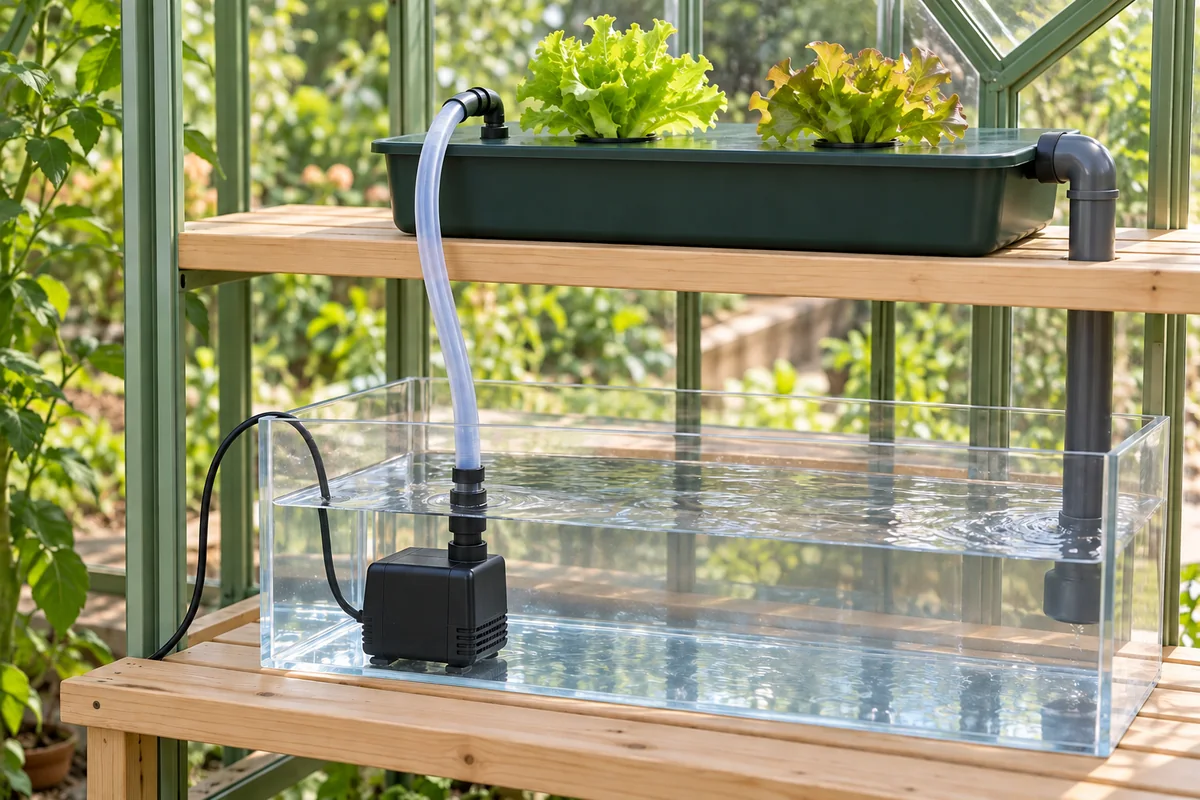
Water pumps come in many sizes and designs, but the key question is how much water must reach its destination at the required lift height. A large flow figure on the box does not, by itself, tell you whether a pump suits your system.
Start with the growing system, then work back to the pump. Flood and drain (Icelandic article), drip irrigation and nutrient film technique have different demands. Not every hydroponic method needs a water pump: the Kratky method is one that works without one.
- Details
-
Also available:

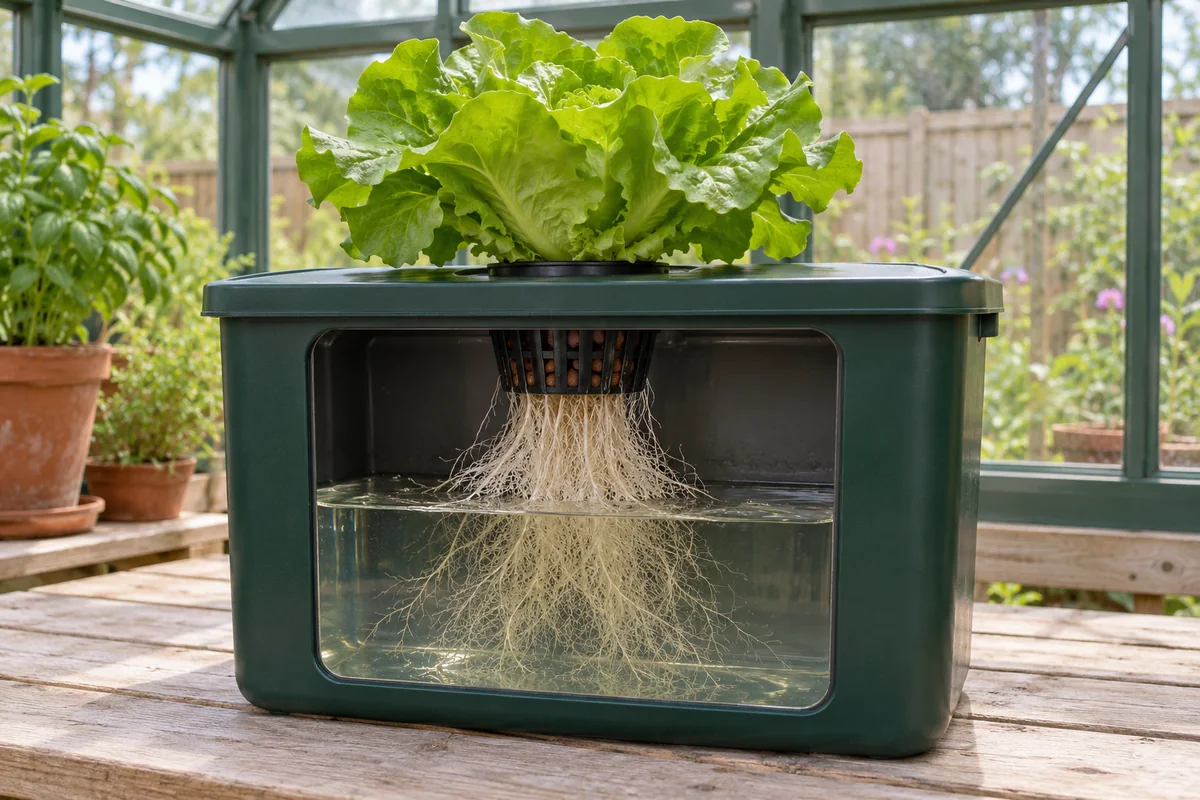
Some time ago I was deep in research—on YouTube—when I found a video of hydroponics without a pump. My first thought was that it could not possibly work. Surely someone was trying to fool people. But I watched the whole video, then several more by the same person. His other growing advice held up, so why not this?
I looked into it and found material confirming that the method was real. I would now like to introduce the Kratky method, named after B. A. Kratky at the University of Hawaii. It works by allowing the solution level to fall as the plant uses the nutrients and water.
I love gadgets and conventional hydroponics, but they do not suit every situation. Many systems need pumps, pipes, reservoirs, air stones or timers. That is wonderful for a gadget enthusiast; sometimes, though, simplicity wins.
- Details
-
Also available:
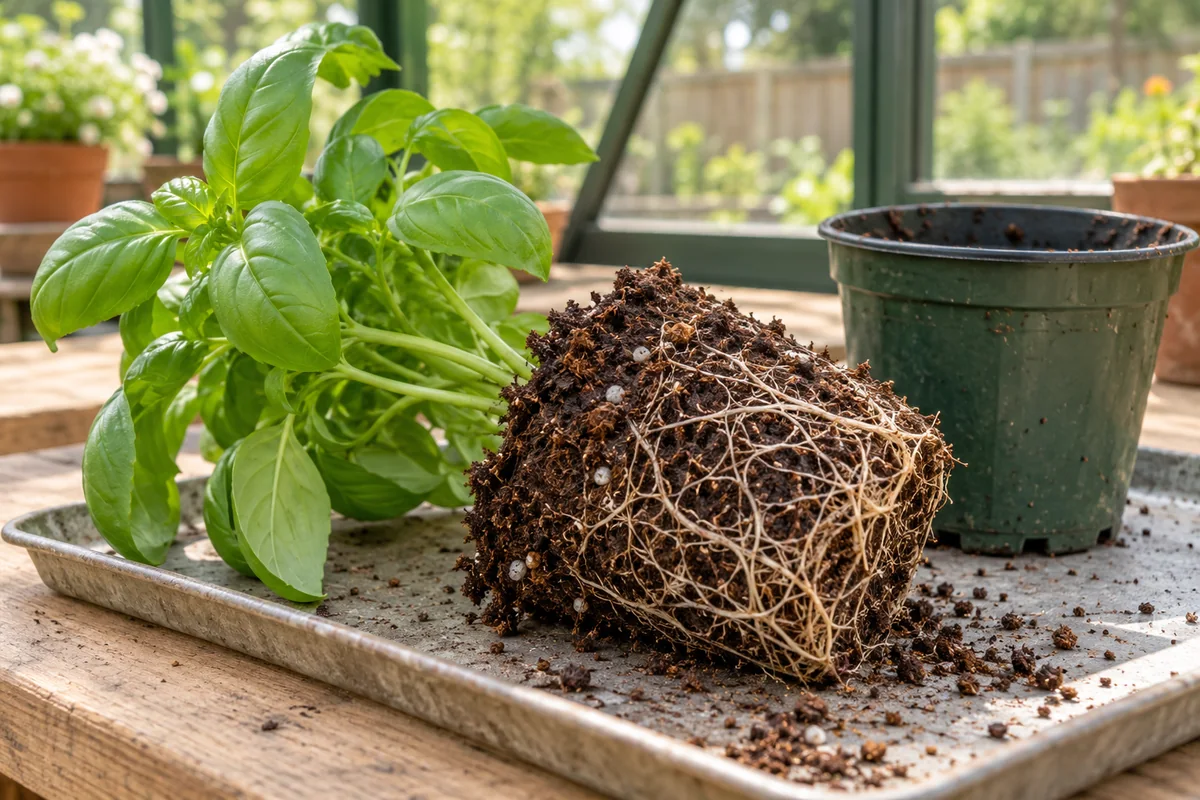
You cannot always see what is happening inside a pot. Roots support the plant and supply it with water and nutrients, but they themselves need air, moisture and a suitable temperature. When growth stalls, looking only at the leaves is not enough.
- Details
-
Also available:
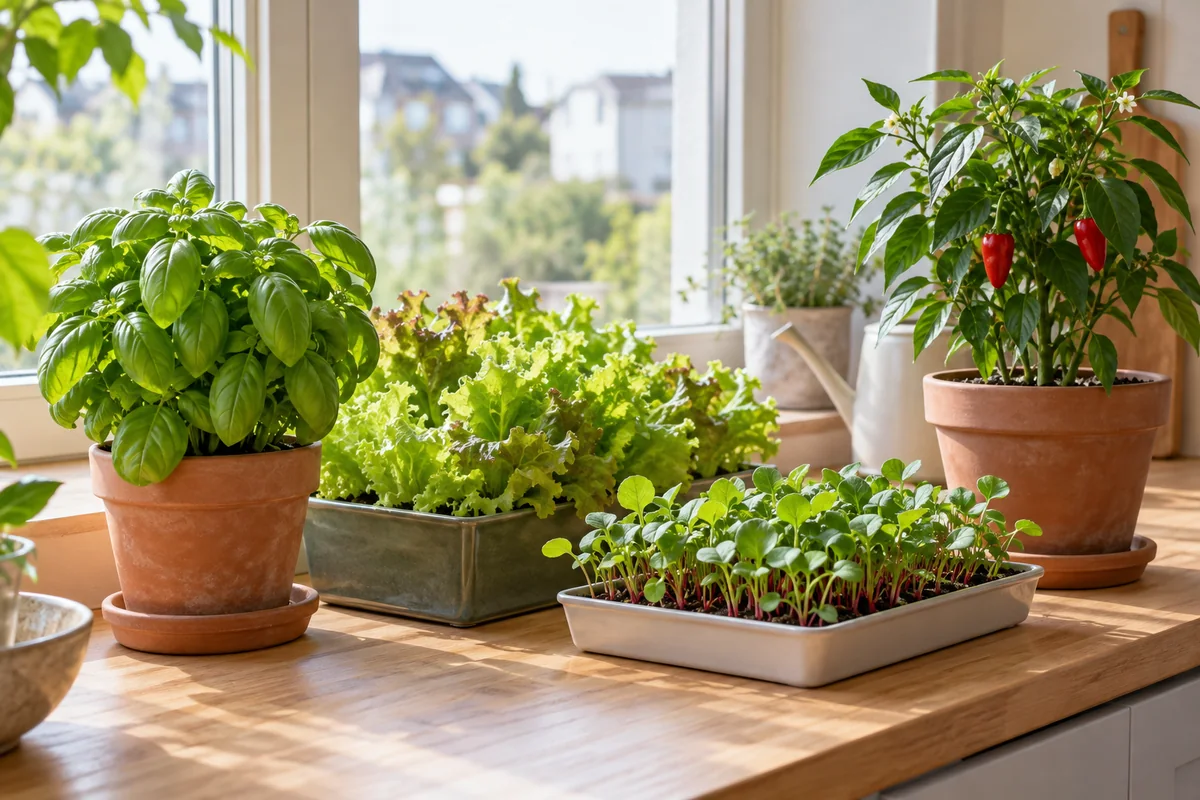
People often ask me what is good to grow indoors. I usually answer with another question: What would you eat? Growing something that regularly ends up on your plate is much more fun than choosing a plant just because it fits on the windowsill.
- Details
-
Also available:
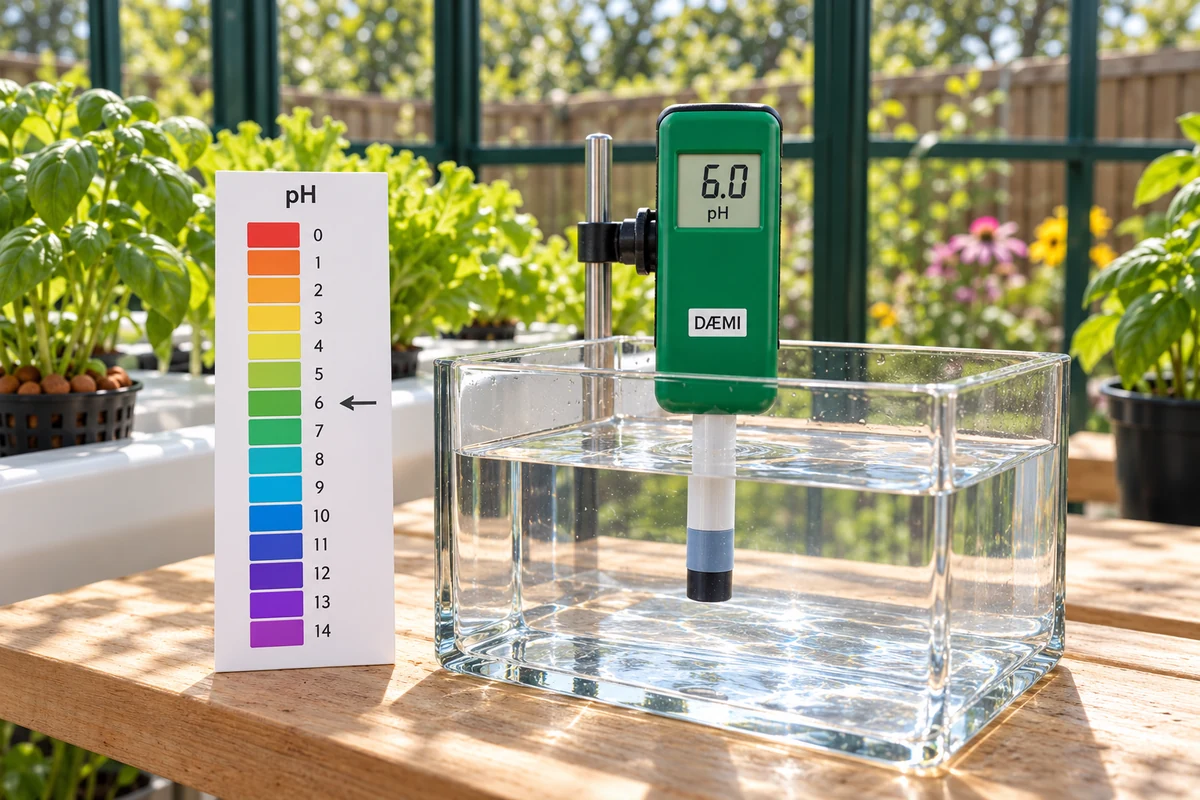
There can be plenty of nutrients in the pot or tank, yet the plant may still struggle to access them. Acidity may be one reason. It affects whether the roots can take up nutrients, even when those nutrients are present.
That is why adding more fertiliser is not always the answer. We also need to look at acidity, the roots and the conditions the plant is growing in. Here we explain what the pH number tells us, how to measure it and when there may be a reason to change it.
- Details
-
Also available:
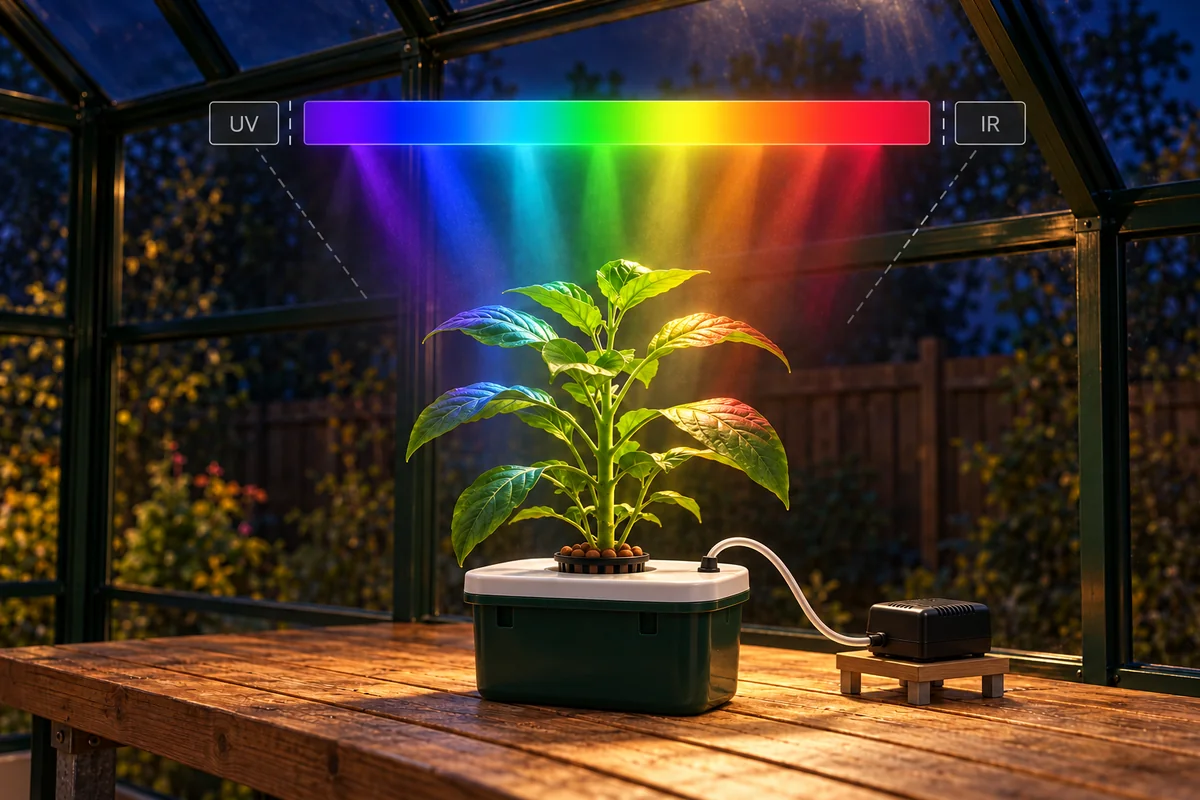
You don’t need to buy a special grow light to get started. An ordinary white LED bulb or fluorescent tube can work well, as long as enough light reaches the plant. That matters more than what the box says.
Plants use light to make sugars through photosynthesis, then use those sugars to grow. Here in Iceland, though, the sun offers very little help during the darkest part of winter. In my experience, window light can keep slow-growing houseplants alive then, but I would not rely on it for starting seedlings, fast growth or plants expected to bear fruit. A bright window in June and the same window in December are two different worlds.
- Details
-
Also available:
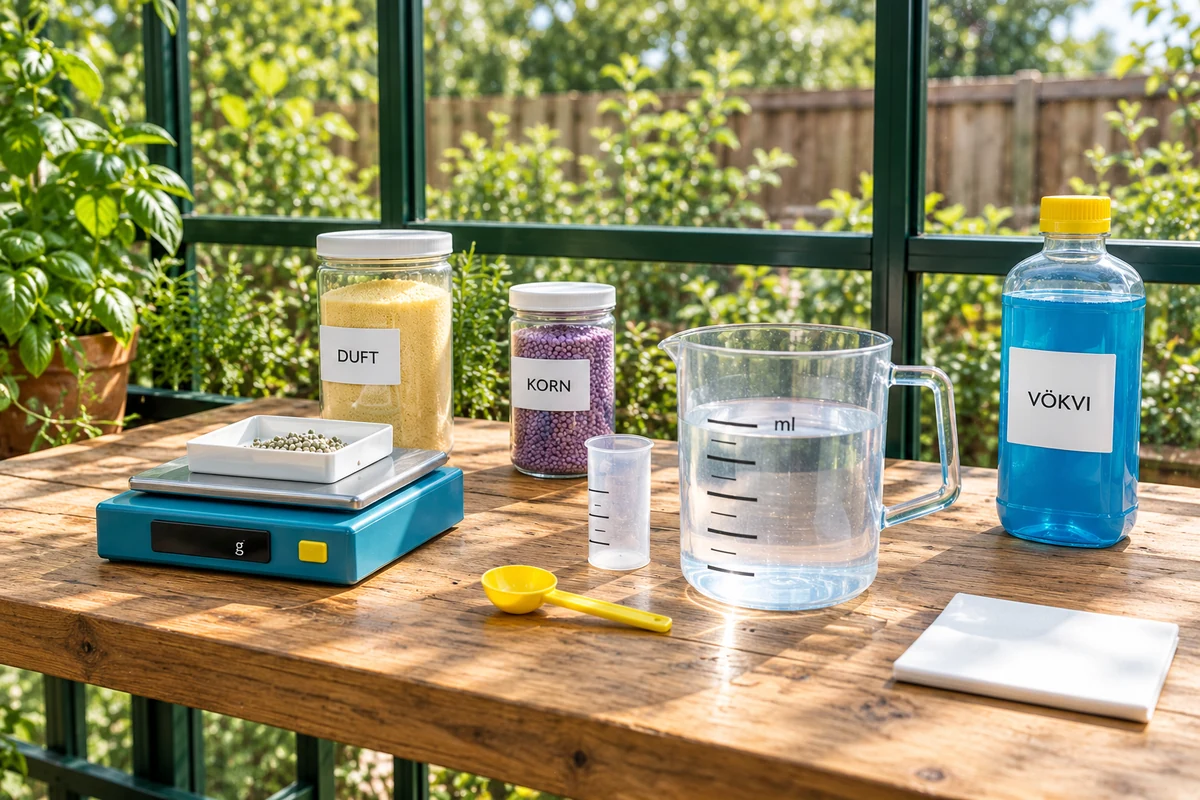
Plants need the right nutrients in the right balance to develop roots, leaves, flowers, seeds and a crop. Fertiliser can make up for what is missing, but more is not always better. Too much of one element can damage roots or make it harder for the plant to take up others.
This article gives an overview of plant nutrition. The article on macronutrients looks in more detail at the roles of nitrogen, phosphorus, potassium, calcium, magnesium and sulphur.
- Details
-
Also available:
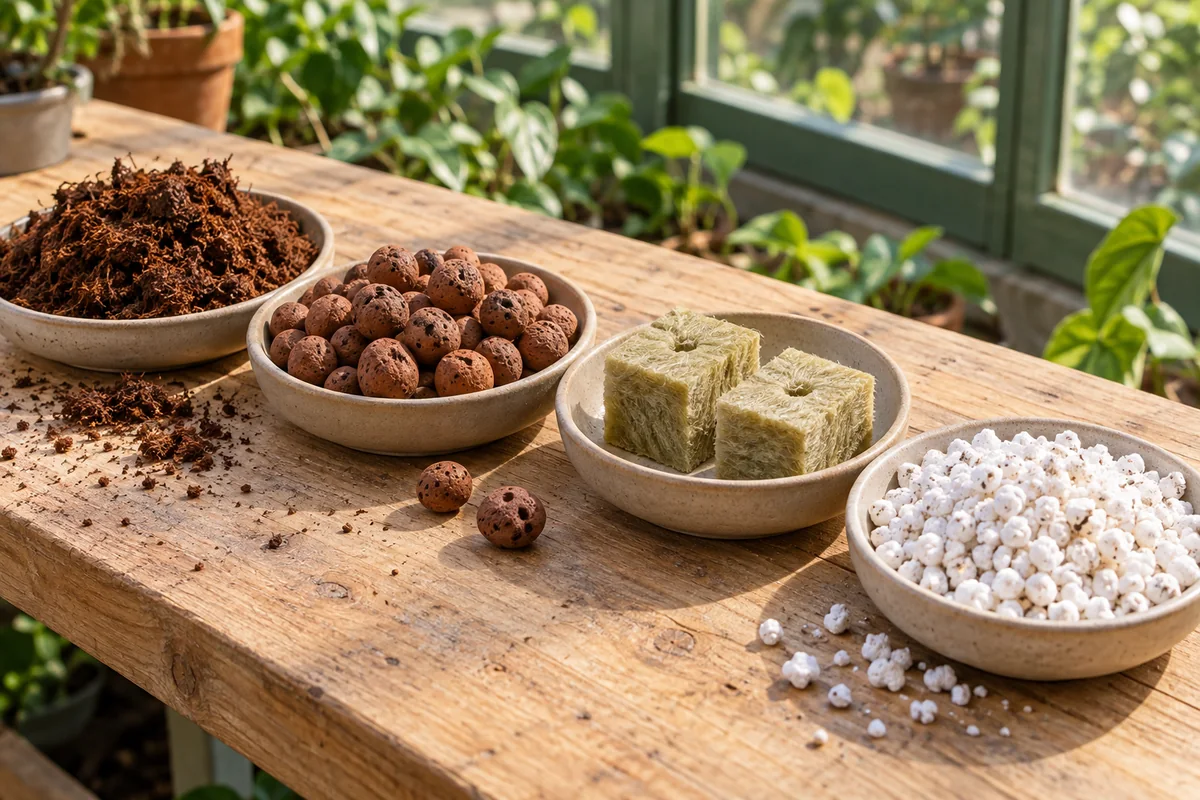
It is hard to call stone wool soil. I therefore prefer the term growing medium for the different materials in which plant roots grow. Soil, coir, clay pebbles and pumice can all do the job, although their properties vary considerably.
The growing medium needs to support the plant and give its roots access to water, oxygen and nutrients. The medium does not have to contain all the nutrients itself; in hydroponics, most come from the nutrient solution. What works in one pot may be a poor fit for another system.
- Details
-
Also available:
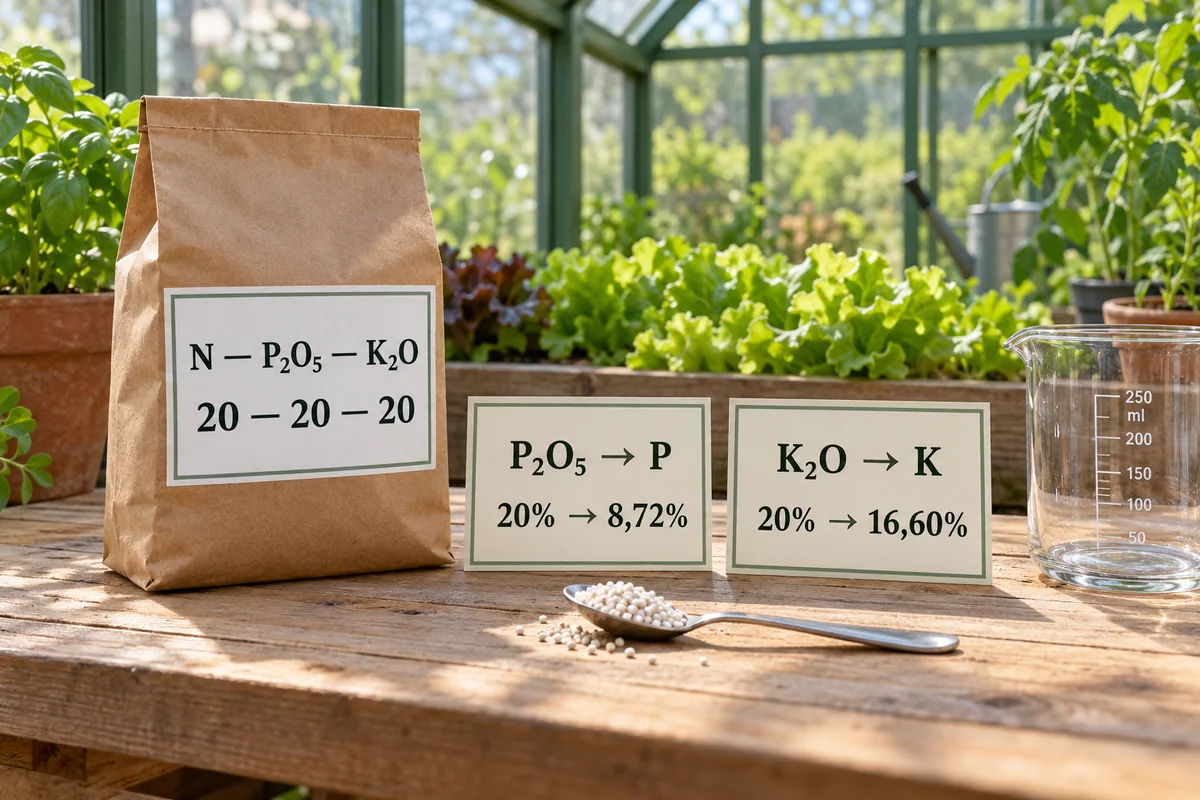
You may come across two different figures for phosphorus on the same fertiliser bag. One might say 20% and the other 8.72%. It may look as though something does not add up, but both can be right. The same amount is simply being expressed in two different ways.
The difference is whether phosphorus is counted on its own or expressed as an oxide equivalent, with oxygen included in the calculation too. Here at Plantan, I use the nutrients themselves when comparing amounts. So sometimes the figures on the bag need to be converted.
- Details
-
Also available: